Core principles of real estate diversification
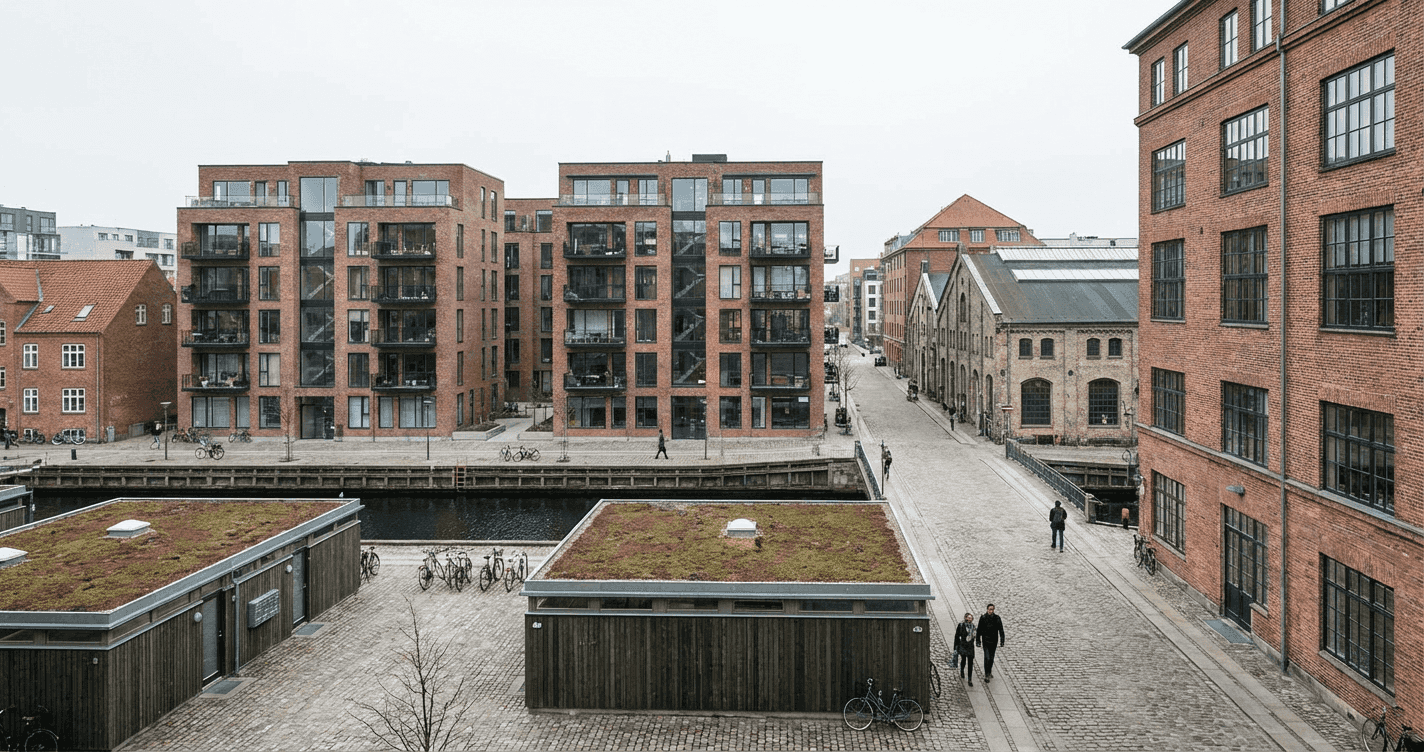
Successful portfolio building in real estate investment is founded on several key strategies. Risk mitigation is achieved by investing across different property types including residential, commercial, and mixed development projects. Simultaneously, geographical diversification is crucial to avoid excessive exposure to local market fluctuations.
Time horizon plays a central role in portfolio construction. Some investments focus on immediate rental income, while others build on long-term value appreciation through renovation, conversion, or development projects.
Property types in a diversified portfolio
A robust real estate portfolio typically contains several different asset classes:
- Residential properties with stable rental income and inflation hedging
- Commercial properties with longer lease terms and predictable cash flows
- Development projects with higher return potential but increased risk
- Value-creating investments through renovation and conversion
Each property type contributes unique characteristics to the portfolio's overall risk and return profile.
Geographic distribution in the Danish market
The Danish real estate market offers various investment opportunities across the country's regions. Urban areas with documented development potential can be identified through demographic trends, infrastructure investments, and local business development.
Strategic geographic diversification involves evaluating each region's economic fundamentals, population growth, and future development potential. This reduces the risk of being overexposed to local market downturns. Understanding neighborhood characteristics and market dynamics is essential for selecting optimal investment locations.
Balancing risk and return
Effective portfolio construction requires a thoughtful balance between different risk and return levels. Conservative investments with stable returns are combined with more aggressive growth strategies.
Liquidity considerations are equally central. While real estate investments are generally less liquid than other asset classes, a diversified portfolio can include investments with different exit strategies and time horizons.
Strategic investment approaches
Modern real estate portfolios can implement various investment strategies simultaneously:
- Buy-and-hold strategies for long-term rental income
- Value-add projects through renovation and improvements
- Opportunistic investments in undervalued assets
- Development projects with higher return and risk profiles
Understanding market fundamentals
A diversified real estate portfolio must be grounded in thorough market analysis and understanding of fundamental economic drivers. This includes analyzing demographic trends, employment growth, infrastructure development, and regional economic indicators that influence property values over time.
Professional investors recognize that location selection within each geographic market is equally important as the decision to diversify geographically. Neighborhoods with strong fundamentals, good transportation links, and planned infrastructure improvements typically offer better long-term appreciation potential.
Risk management through diversification
Effective risk management in real estate portfolios extends beyond simple asset diversification. It involves understanding correlation between different property types and markets, assessing tenant diversification in commercial properties, and maintaining appropriate leverage levels across the portfolio.
Professional portfolio managers also consider cyclical factors that affect different property types at various times. For example, office properties may face different market pressures than residential properties during economic downturns, while industrial properties might perform differently during periods of economic growth.
Successful diversification requires continuous performance measurement and portfolio optimization. This involves tracking key metrics such as cash-on-cash returns, internal rates of return, and risk-adjusted returns across different segments of the portfolio.
Regular portfolio reviews help identify underperforming assets, emerging opportunities, and the need for rebalancing. Market conditions change over time, and what may have been an optimal allocation at one point may require adjustment as economic conditions evolve.
Portfolio monitoring and adjustment
A successful real estate portfolio requires ongoing monitoring and strategic adjustment. Market conditions change, and the portfolio must be able to adapt to new opportunities and risks.
Regular evaluation of each investment's performance, market developments, and the portfolio's overall balance ensures optimal allocation of capital and resources.
Diversified portfolio building in real estate investment is fundamentally about creating a robust investment strategy that can generate stable returns through various market cycles. By combining different property types, geographical areas, and investment strategies, professional investors build portfolios that both minimize risk and maximize long-term value creation potential.