Why the Foundation Determines Investment Success
In real estate development, there is a fundamental difference between superficial renovations and deep transformations. The former may provide quick cosmetic improvements, but the latter creates lasting value and minimises long-term risks.
When we start a renovation by exposing the foundation and load-bearing structures, we invest in the property's future stability. This approach ensures that visible improvements—new floors, modern kitchens, and updated bathrooms—rest on a solid foundation that will endure for decades.
From Hidden Problems to Documented Quality
Historic properties like Classensgaard often contain challenges that can only be identified through thorough investigation. Moisture problems, structural weaknesses, or outdated installations may be hidden behind attractive facades, but these issues will inevitably emerge later—often at the worst possible moment.
- The foundation ensures the property's structural integrity
- Updated installations reduce future maintenance costs
- Proper insulation and moisture barriers prevent damage
- Modern electrical and plumbing systems increase both safety and efficiency
By addressing these elements first, we create not just a better property—we document the quality in a way that can be verified by future buyers, appraisers, and financing partners.
The Economics of Doing Things Right
Many investors are tempted by quick renovations that maximise immediate profit. However, this approach overlooks the long-term costs of neglecting foundational work. A thorough renovation of older properties requires more resources initially, but the result is a property that requires minimal maintenance and retains its value over time.
When a buyer or tenant later experiences moisture issues, leaky pipes, or structural defects, it not only affects the property's value—it undermines the investor's reputation and future market opportunities.
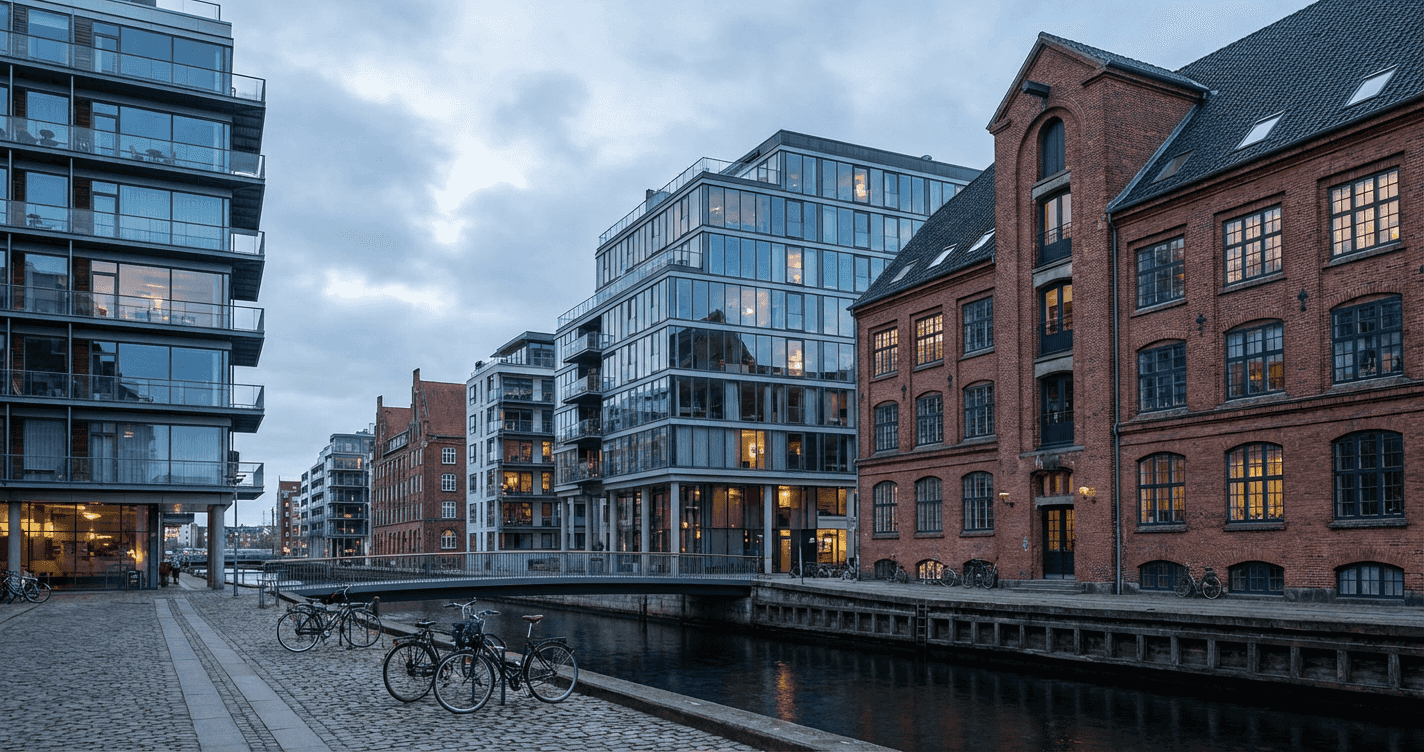
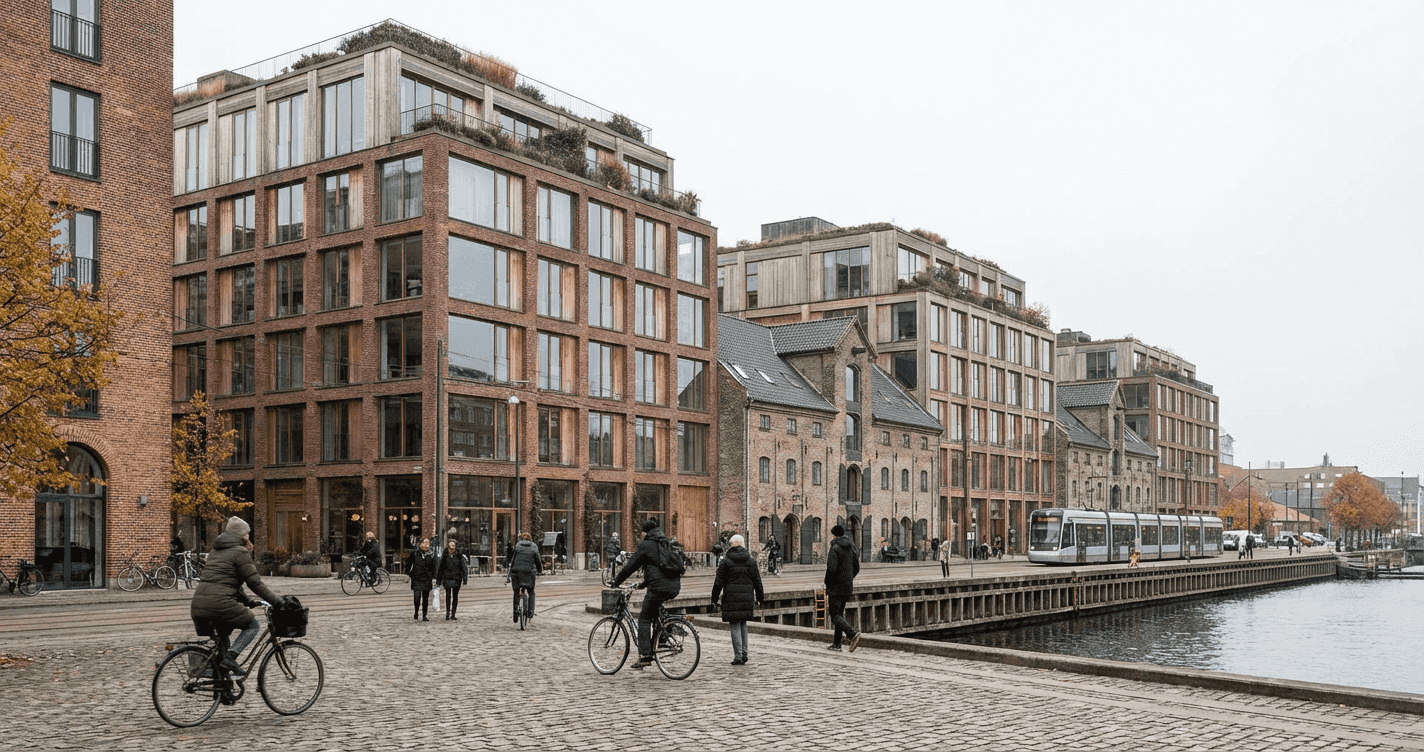
The Classensgaard project exemplifies how historic properties can retain their architectural charm while being upgraded to modern standards. This requires a balance between respecting the property's history and meeting contemporary residents' demands for comfort and functionality.
Our approach to preserving authentic details means we identify and restore original elements that add value, while modernising the functional systems that no longer meet today's requirements.
Quality Management Throughout the Process
The visible renovation—painting, new floors, kitchens, and bathrooms—represents only the tip of the iceberg. The foundational work, beginning with the foundation itself, requires experienced craftspeople and quality materials that deliver the desired lifespan.
Through established partnerships with suppliers, we ensure access to materials and expertise that match our quality standards. This is particularly critical when working with historic properties, where standard solutions are rarely sufficient.
Future-Proofing Through Deep Renovation
When the Classensgaard renovation is complete, the result will be modern homes combining historic charm with contemporary requirements for energy efficiency, comfort, and functionality. Yet the key point is that quality is built in from the ground up—not merely added as a layer over existing problems.
This approach to real estate development requires patience and greater initial investment, but it creates properties that aren't merely sold—they are valued by their future residents and retain their market value.