When the Past Meets Modern Renovation
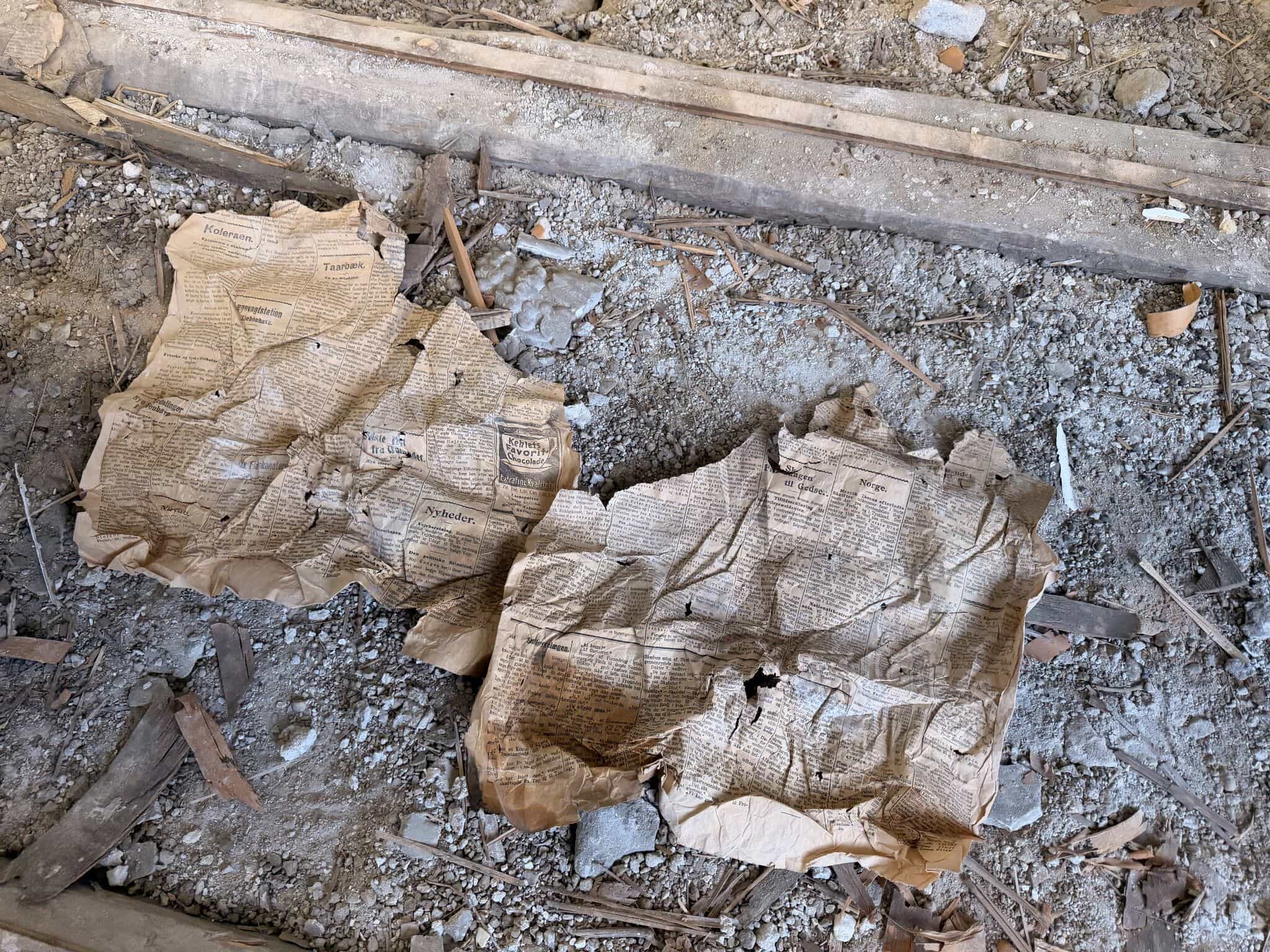
Finds like this old newspaper are not uncommon in renovation projects. Tradesmen have had a tradition for generations of leaving small time capsules beneath floors, in walls, or in attics. It can be anything from newspapers and coins to handwritten notes and photographs.
For us as property developers, these findings represent something central to our approach: respect for buildings' history. We don't just modernize and upgrade, but preserve and develop the value that previous generations have created.
Traditional Time Capsules in Building
The tradition of leaving small objects in buildings has deep historical roots. For centuries, tradesmen have placed coins beneath floorboards as a symbol of good fortune and prosperity for future residents. Other typical finds include:
- Newspapers from the construction or renovation period
- Coins from the year in question
- Tradesmen's business cards or signatures
- Photographs of the construction site or work crew
- Small personal items or written messages
We continue this tradition by placing a new coin for the next generation of renovators, who may discover our small greeting from 2026 many decades from now.
What Historical Finds Reveal About Quality
The objects we discover often tell us much about building quality and material choices in the past. A newspaper from the 1970s beneath a floor suggests the floor has remained stable and dry for over 50 years – a sign of solid craftsmanship.
This continuity in quality is something we strive for in our own projects. When we work with preservation of authentic details, it's about ensuring our work will endure for many decades to come – just like the work we're now uncovering.
The Balance Between Preservation and Modernization
When we encounter historical elements in our renovation projects, we often face a choice: what should be preserved, and what should be modernized? This requires careful consideration of both historical value and practical needs.
Our approach is to combine respect for the past with future requirements. This means preserving the characteristic elements that give the building its identity, while upgrading technical installations and comfort levels to modern standards.
Documenting Building History
Every find we make is carefully documented. It can be valuable for the building's future owners to know its history – both the grand narrative and the small details. A simple newspaper can tell us about society at the time the floor was laid, while tradesman's marks reveal the pride in the work performed.
Future Archaeologists
By continuing the tradition of leaving our own small time capsule – a coin from 2026 – we participate in a continuous story about construction's evolution. The next generation of renovators may smile at our find, just as we smile at finds from the 1970s.
This perspective on continuity reminds us that real estate development is about more than immediate gains. It's about creating value that can endure through generations – in the form of quality, functionality, and respect for buildings' history and character. When we renovate heritage properties, we're not just updating spaces; we're honoring the craftsmanship that came before while building for the future.