The Importance of Sustainable Materials
Sustainable materials are essential for reducing the negative impact on the environment. By choosing reused and recycled materials, we can minimize the need for new production, which is often associated with high CO2 emissions and resource consumption. Furthermore, the use of sustainable materials contributes to creating healthier buildings that are better for both inhabitants and the environment.
Material Assessment and Selection Process
Before beginning any renovation project, TXM conducts thorough material assessments to identify salvageable components. Our team of specialists evaluates structural elements such as timber beams, steel frameworks, flooring materials, and architectural features for their reuse potential. This systematic approach involves testing materials for structural integrity, measuring dimensions for compatibility with new designs, and analyzing the environmental impact of refurbishment versus replacement. We maintain detailed databases of available reclaimed materials from previous projects, creating an internal resource pool that reduces procurement costs by up to 30% while maintaining quality standards.
Our Recycling Strategy
At TXM, we have developed a comprehensive recycling strategy that focuses on identifying and utilizing existing materials in our renovation projects. We assess the building's structure and the materials already available to find opportunities for reuse. This may include everything from bricks and wood to windows and doors.
Innovative Waste Reduction Techniques
TXM employs cutting-edge waste reduction techniques that go beyond traditional recycling methods. We utilize advanced deconstruction practices that carefully dismantle building components to preserve their integrity for future use. Our partnerships with specialized recycling facilities allow us to process materials such as concrete, metals, and insulation into new construction products. Through selective demolition techniques, we achieve waste diversion rates of 85-90% from landfills across our Danish and German projects. Additionally, we implement on-site material processing equipment that crushes concrete and masonry for immediate reuse as aggregate in new foundations and pathways.
Recycling Materials
Recycling is an important part of our approach to sustainability. When materials cannot be reused directly, we work to find ways to recycle them. This may involve breaking down materials, which can then be transformed into new products or used in new constructions. By maximizing recycling, we reduce waste and create value from what would otherwise be discarded.
Circular Economy Implementation
TXM actively participates in the circular economy by establishing material loops that minimize waste generation. We collaborate with local suppliers and manufacturers to create closed-loop systems where waste from one project becomes input material for another. Our material passport system tracks the lifecycle of components, documenting their origin, treatment history, and future reuse potential. This approach has enabled us to reduce material costs by 25% while achieving carbon footprint reductions of up to 40% compared to conventional renovation methods. We also work with tenant organizations to implement material sharing programs, where surplus materials from completed projects are made available to other renovation initiatives in the region.
Examples of Sustainable Renovation Projects
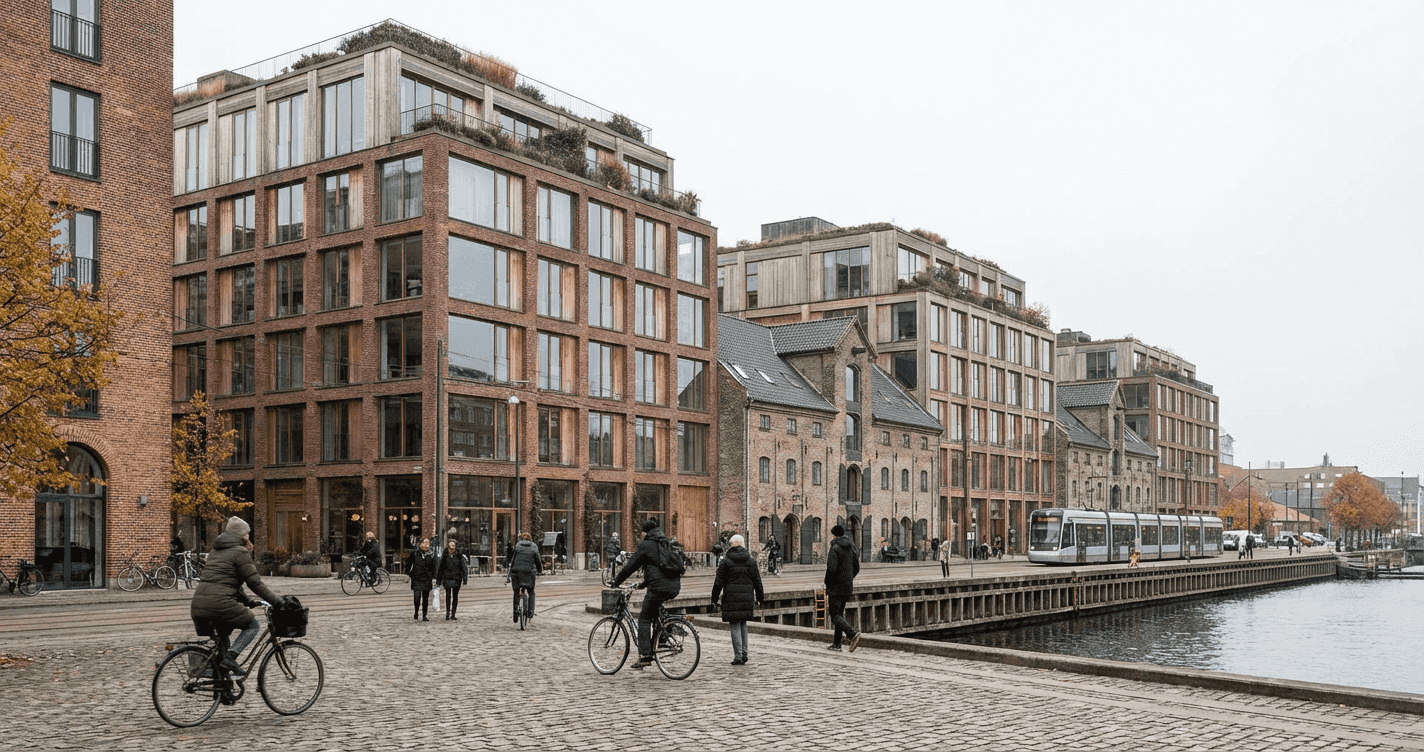
We have completed several successful renovation projects where sustainable materials have played a central role. One example is our work on renovating an old building where we reused the original bricks and recycled old doors and windows. This not only preserved the building's character but also reduced our overall environmental footprint. Our portfolio of projects demonstrates our commitment to these principles.
Benefits of Recycling and Reuse
There are many benefits to implementing recycling and reuse in renovation projects. Some of the key benefits include:
- Reduction of waste and landfill burden
- Cost savings on materials
- Preservation of historical value of buildings
- Creation of healthier indoor environments
Future Trends in Sustainability
As we look ahead, there is a growing trend to integrate sustainability into all aspects of construction and renovation. This includes not only material choices but also innovative building methods that promote energy efficiency and reduce waste. We expect to see more collaborations between different stakeholders in the industry to promote sustainable solutions.
Conclusion
Recycling and reuse are not just a trend but a necessity in today's construction. At TXM, we are committed to using sustainable materials in our renovation projects to create a better future for both people and the environment. By focusing on recycling and reuse, we can ensure that our projects are not only economically viable but also environmentally responsible.