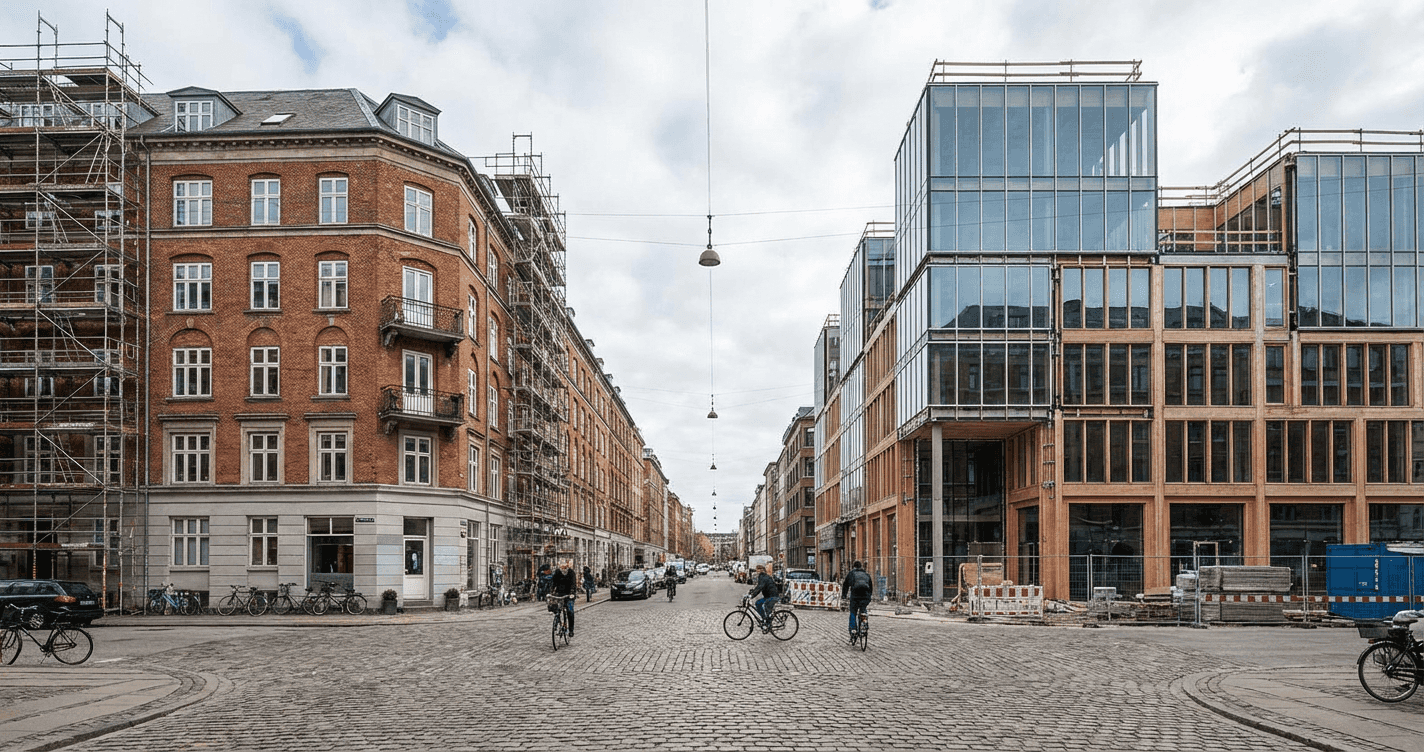
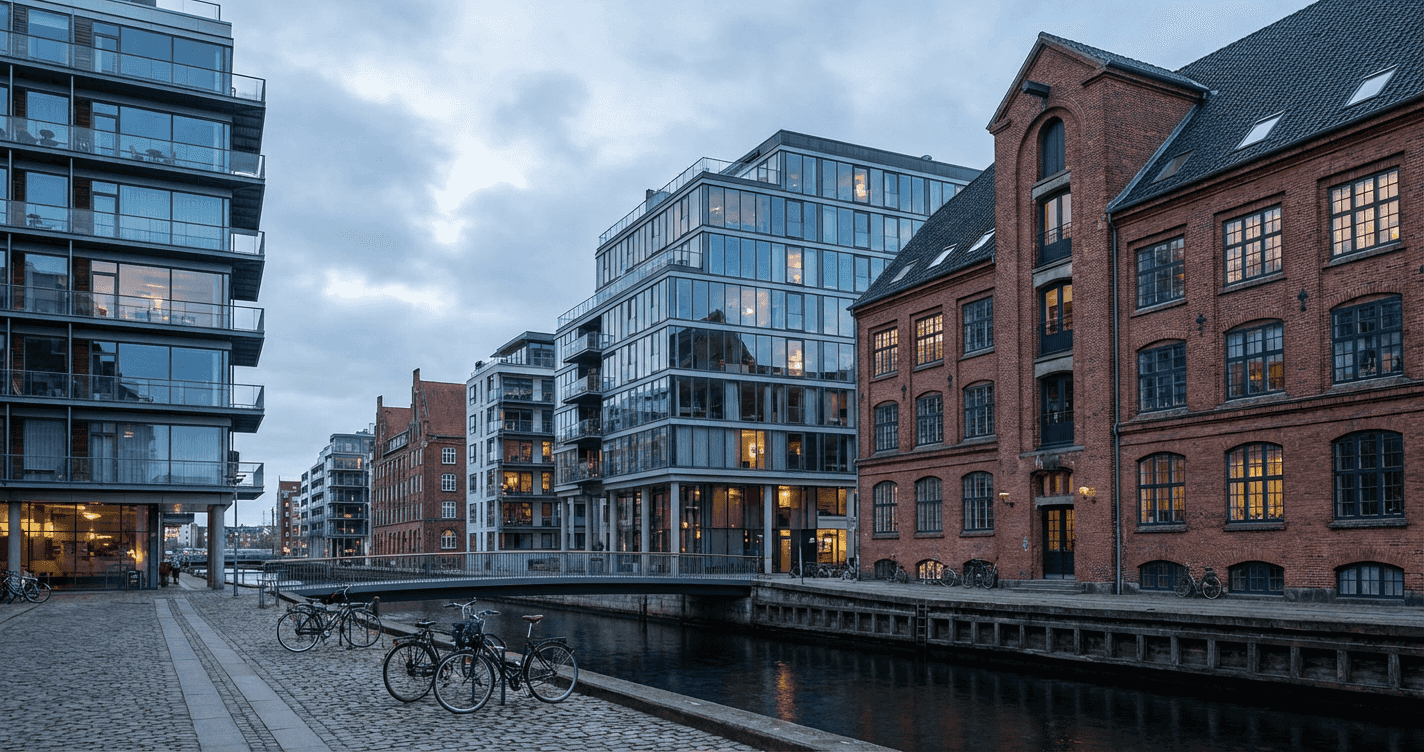
Market Conditions Shaping 2026 Investment Decisions
The property investment landscape in 2026 is characterized by several key factors that significantly influence the choice between renovation and new construction. Rising construction costs, which have increased by approximately 15-20% over the past two years, have made new builds more expensive while potentially increasing the relative attractiveness of renovation projects. Interest rate environments continue to affect financing options, with renovation projects often qualifying for more favorable lending terms due to their shorter timelines and established asset backing.
Labor shortages in the construction sector have created particular challenges for new builds, often extending project timelines by 20-30% compared to pre-2024 estimates. This has made renovation projects, which typically require less specialized labor and shorter completion periods, increasingly attractive to investors seeking predictable returns. Additionally, evolving sustainability regulations favor both strategies differently: new constructions must meet increasingly stringent energy efficiency standards, while renovation projects can often achieve compliance through targeted upgrades rather than complete overhauls.
Renovation: Lower Entry, Faster Turnover
Renovating existing properties typically offers a more accessible entry point into property investment. Total costs are generally lower than new construction, and project timelines are shorter, meaning faster capital turnover and reduced exposure to market fluctuations.
Renovation advantages include established location, existing infrastructure, and often more favorable regulations. Many renovation projects can commence with limited capital, particularly when the building's core structure remains intact. This makes renovation especially attractive for investors seeking to maximize leverage and spread risk across multiple projects.
Renovation Challenges
Hidden costs represent the greatest risk in renovation projects. Structural problems, outdated electrical and plumbing systems, or environmental issues can dramatically increase budgets. Additionally, older buildings may have architectural and layout limitations that reduce final value potential.
Financial Analysis: Capital Requirements and ROI Expectations
When examining the financial metrics, renovation projects typically require 40-60% less initial capital than comparable new construction projects. Average renovation costs range from €800-1,500 per square meter for comprehensive upgrades, while new construction costs average €2,000-3,500 per square meter depending on location and specifications. This lower entry barrier allows investors to diversify across multiple properties or markets, potentially reducing overall portfolio risk.
Return on investment timelines also differ significantly between strategies. Well-executed renovation projects often achieve full returns within 12-18 months, while new construction projects typically require 24-36 months to realize returns. However, the absolute return potential varies considerably: renovation projects commonly achieve 15-25% ROI, while successful new builds can generate 25-40% returns, though with correspondingly higher risk profiles. Cash flow considerations are crucial, as renovation projects can often generate rental income during phased improvements, while new builds provide no income until completion.
New Construction: Higher Investment, Greater Control
New builds provide investors complete control over project design, material selection, and functionality. This can result in higher end values and better opportunities to create unique market selling points. Modern building technologies and energy-efficient solutions can attract buyers who prioritize sustainability and low operating costs.
Development through new construction also allows strategic phase planning, where initial stages can finance subsequent development. This creates opportunities to realize substantially larger projects than individual renovation efforts.
New Construction Risk Factors
New builds require significant upfront capital and longer project periods, increasing exposure to market changes. Regulatory approvals, environmental assessments, and building permits can significantly delay projects. Simultaneously, new projects compete directly with the entire market, while well-positioned renovations often have more unique positioning.
Technology and Innovation Impact on Investment Strategies
Technological advancement increasingly favors both investment approaches in different ways. Smart home technology integration, energy-efficient systems, and sustainable building materials are becoming standard expectations rather than premium features. Renovation projects benefit from the ability to selectively upgrade systems, incorporating modern technology into established structures at relatively low cost. Advanced building management systems, smart heating controls, and high-efficiency insulation can transform older buildings into competitive modern properties.
New construction projects leverage emerging technologies from the ground up, incorporating advanced building information modeling (BIM), prefabricated components, and integrated smart building systems. These technologies can reduce construction times by 15-25% and improve long-term operational efficiency, potentially justifying higher initial investments through superior long-term performance and tenant attraction.
Return Potential Comparison
Property investment returns depend critically on timing, market conditions, and execution quality. Renovation can generate attractive returns in shorter timeframes with lower capital input, but typically has a ceiling for value enhancement. New construction can achieve higher absolute returns but requires greater resources and longer horizons.
- Renovation works best in established areas with documented demand and limited new supply
- New construction is often most profitable in development areas with growing population and infrastructure investment
- Market timing affects new builds more than renovation due to longer development periods
- Financing options vary significantly between the two strategies
Strategic Investment Decision Approach
The optimal strategy depends on the investor's situation, experience, and market conditions. Many successful property investors combine both approaches in their portfolios to balance risk and returns. Converting existing buildings to new uses can offer the best of both worlds – lower initial costs combined with significant value enhancement opportunities.
For investors with limited capital and experience, renovation may be the most sensible starting point. Experienced investors with access to larger capital amounts may find new construction more attractive, particularly in markets with tight supply balance and growing demand.
Conclusion: Market and Strategy Determine Success
The question of renovation versus new construction has no single correct answer. Both strategies can deliver exceptional returns under the right circumstances. Successful property investors focus on thorough market analysis, realistic budgeting, and timing rather than following general rules about which strategy is best. The key is matching investment strategy with market opportunities and one's own capacity to execute projects professionally.